
Home>Services>Water softener and filtration
White Crust on Faucets and a Water Heater Full of Scale? Water Softener Installation in Artesia, CA
A water softener removes the minerals that make water hard, and it suits a household that sees scale on fixtures, spotted glasses or a water heater that keeps collecting sediment. Ring the dispatch line; the dispatcher sends a network plumber to look at the plumbing, the utility's water report and what treatment actually makes sense.
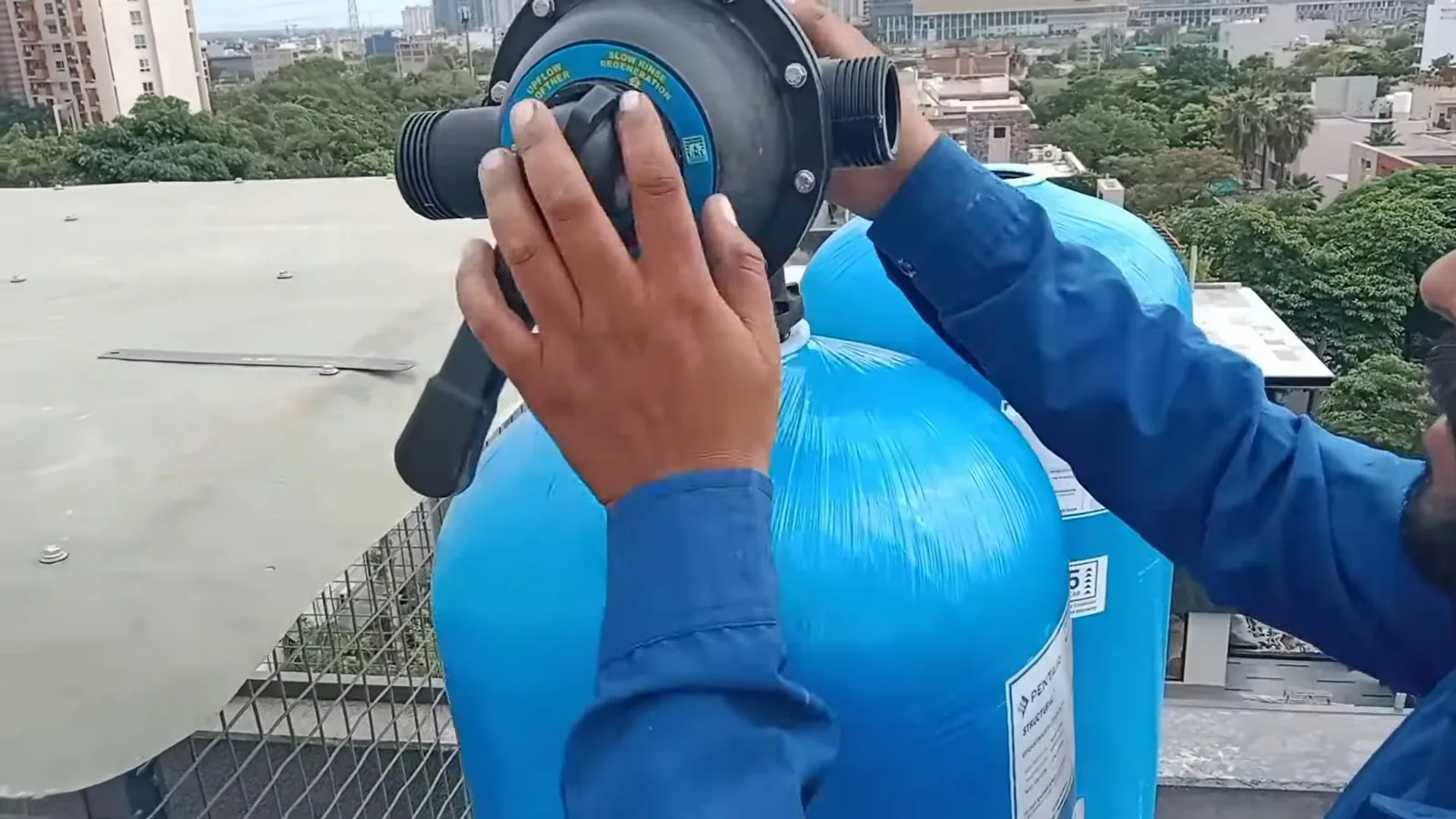
Water Softener Installation in Artesia: Who Needs One and Who Does Not
A softener swaps the calcium and magnesium that make water hard for sodium or potassium, through a resin tank, a process called ion exchange, that is cleaned out regularly with a salt brine. It is worth having when hard water is doing visible damage: white crust on faucets and showerheads, scale in the water heater, cloudy glassware, or soap that will not lather. It is not worth having just because a salesperson says so. Whether you need one turns on the hardness of your supply, and that varies with the utility serving your address.
A softener does not purify water. It does not remove bacteria, chemicals or most dissolved contaminants, and it is not a drinking-water filter. If you want to treat what you drink, that is a separate decision, covered in the sections below.
Hard Water Signs and Testing: Read Your Utility's Report First
The utility publishes a water quality report, and it is the best starting point because it carries no sales pitch and covers the whole system. Compare the hardness figure with your symptoms. If the report shows hard water and you see scale, a softener or scale treatment is a reasonable question. If the report shows mild hardness and you see little scale, the benefit is small.
Golden State Water's Artesia System: 2025 hardness
Total hardness was 135 to 277 mg/L, averaging 191, which is about 7.9 to 16 grains per gallon, averaging 11. The water is groundwater from the Central Groundwater Basin plus treated groundwater purchased from the City of Cerritos. This applies to Golden State's Artesia System only. A smaller area of Artesia is served by a system owned by the City of Norwalk, which has its own report; Norwalk's approved sale of that system to Golden State awaits regulatory review.
Your bill shows which utility serves you. A plumber can test a sample at the tap and compare it with the report. Ask for the result in grains per gallon, and ask where the sample was taken, since a softened tap and an unsoftened one will read differently. At the range Golden State reports, scale is a real maintenance issue for heaters, which the water heater service page covers, so it is worth asking whether treatment would help.
Give the dispatcher your utility and what you see. The plumber will start from the report.
Softener, Scale Reducer, Filter or Reverse Osmosis: What Each One Does
| Option | What it does | What it does not do |
|---|---|---|
| Salt-based softener | Removes hardness minerals from all water in the house | Does not purify drinking water; needs salt and a drain |
| Scale reducer or conditioner | Changes how scale forms, without salt | Does not remove the hardness minerals; results vary by product |
| Whole-house filter | Reduces sediment or chlorine taste across the house, depending on the filter | Does not soften unless combined with a softener |
| Reverse osmosis at one tap | Filters drinking and cooking water at the sink | Does not treat the whole house; wastes some water |
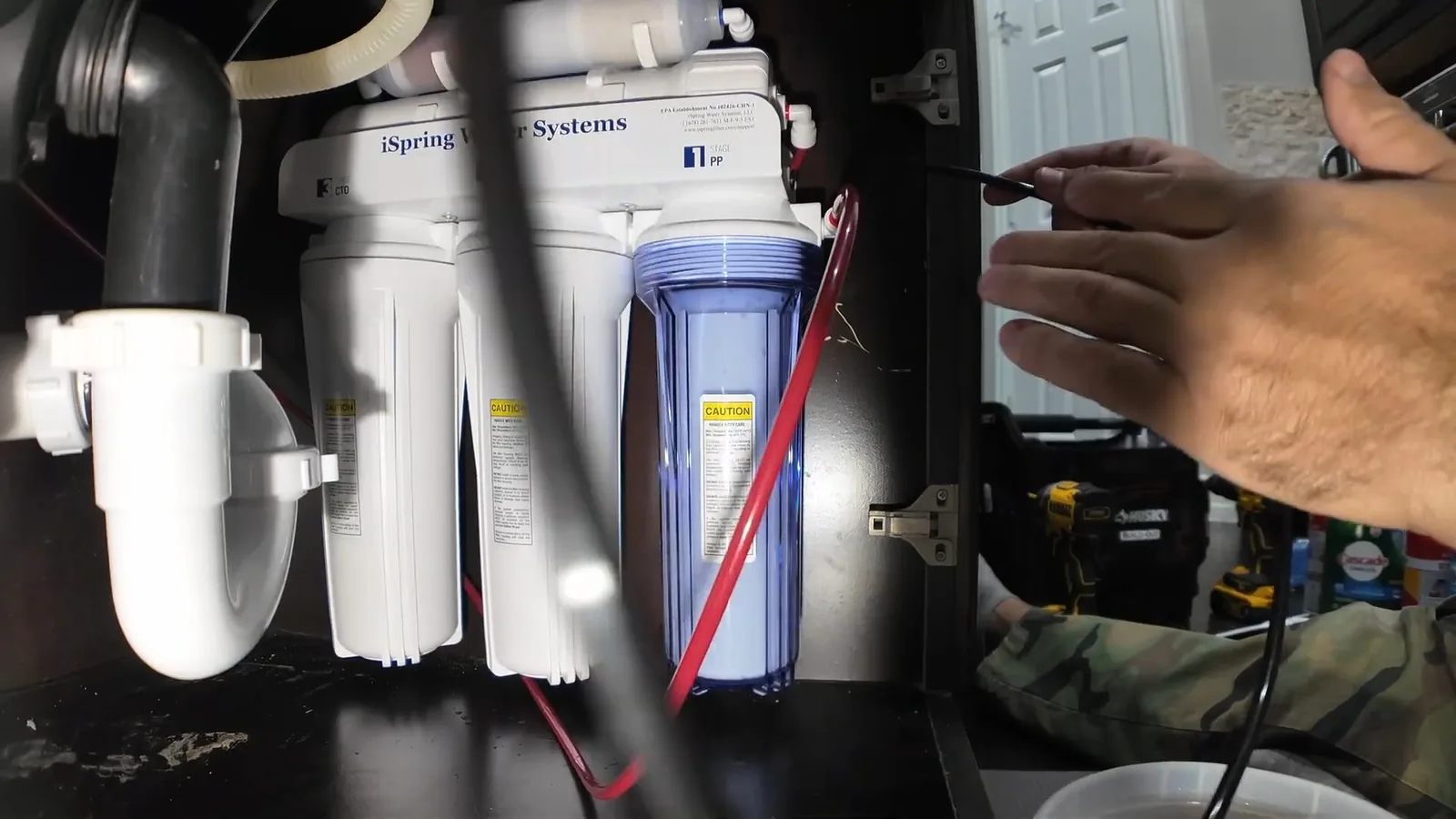
Whole-House Water Filtration: When It Makes Sense
A whole-house filter treats all the water that enters the house. Sediment filters remove grit, carbon filters reduce chlorine taste and odor. The filter you want depends on what is in the water, which is another reason to start from the utility report and a test. Ask what the filter removes, how often cartridges are replaced and how long a cartridge lasts and what changing it involves, since cartridges need regular replacement. Ask where the bypass valve is, so the water keeps running while a cartridge is changed, and whether the housing has a pressure gauge, because a rising pressure drop is the sign that a filter is clogged. A filter is not a substitute for a softener, and a softener is not a filter, so ask which problem each is meant to solve.
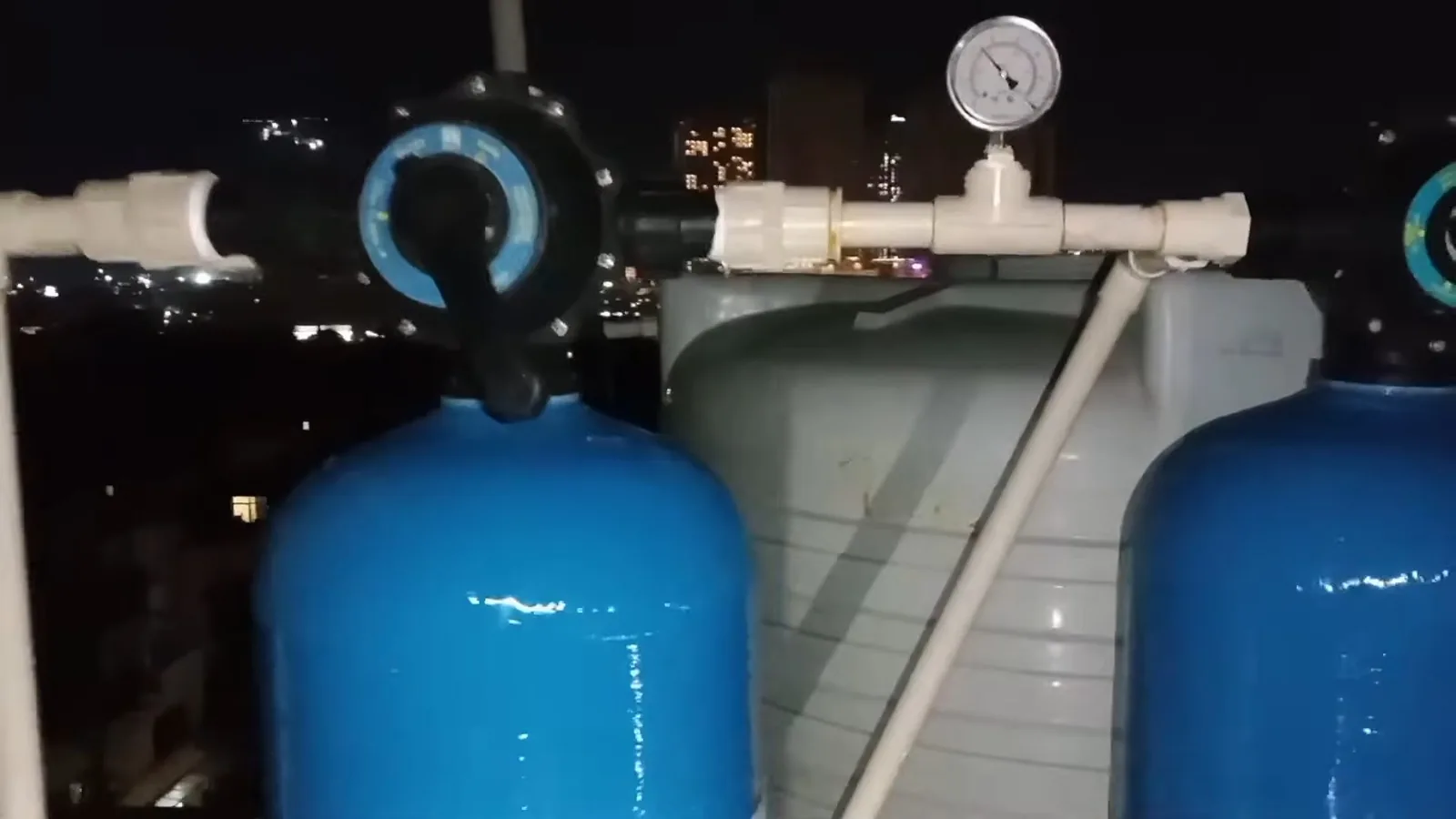
Reverse Osmosis and Under-Sink Drinking Water Filters
Reverse osmosis uses a membrane to filter drinking and cooking water at one tap, usually under the kitchen sink with a small dedicated faucet. Under-sink carbon filters are simpler and reduce taste and odor. An ice machine or refrigerator water filter is a small version of the same idea. Both need cartridge or membrane changes on a schedule. Ask what contaminant the system is rated to reduce, where the drain connection goes and how much space it takes under the sink. A system that goes behind the cabinet wall needs a drain line and a supply connection, which a plumber handles. Ask to see the manufacturer's replacement schedule for the filters and membrane, and ask where the storage tank sits, since a tank takes cabinet space and a leak under the sink goes unseen for a long time.
Softener Service, Salt and Replacement
A softener needs salt in its brine tank, and it regenerates on a schedule, flushing the resin and sending brine to the drain. Salt that bridges or a clogged brine line stops regeneration, and the water goes hard again. A water conditioner that stops working, or a control valve that fails, can often be repaired. If the resin tank has worn out or the unit is old, replacement is the better answer. Ask the plumber what failed, whether parts are available and what a replacement would involve. A softener that is oversized or set to regenerate too often wastes salt and water, so ask how the regeneration is set and whether it matches your household's use. Ask where the drain line goes and whether the air gap is in place, which keeps brine from backing up.
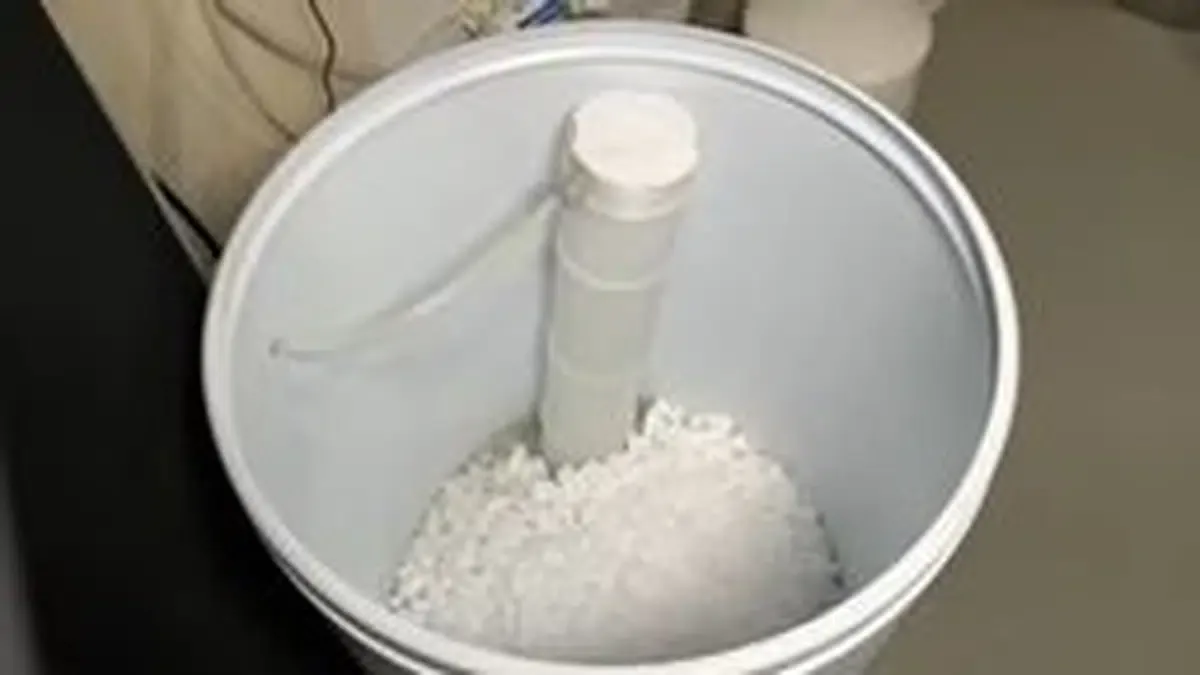
Where a Water Treatment System Installs, and the Permit Question
A whole-house softener or filter goes on the main line after the shutoff and the pressure regulator, near a drain and a power outlet, usually in a garage or utility space. The City's plumbing permit submittal form lists water treating equipment, including filters and softeners, as a permit item. That form is for submittals and fees and does not set the rules, so the City's Building and Safety counter, (562) 865-6262, can tell you what your install needs; ask who pulls the permit too.
Water-heater plumbing and softener plumbing meet near the garage wall, so tell the installer about both. If you are also considering a tankless heater, see tankless water heater scale checks for how hardness affects it.
Also handled: salt and brine questions, and regeneration schedules.
Water Softener and Filter Questions Answered
Do I need a water softener, a filter or both?
A softener handles hardness, which shows as scale. A filter handles what the filter is built for, such as sediment or taste. Many households need one or neither. Start from your utility's report and what you see.
What is water treatment or conditioning, and how does it differ from a softener?
A conditioner changes how hard water scales, without removing the minerals, and typically uses no salt. A softener removes the minerals. Results from conditioners vary, so ask what the product claims and how it is tested.
My water conditioner or softener stopped working. Can it be repaired?
Often. Common causes are an empty or bridged salt tank, a clogged brine line, a failed control valve or a power problem. The plumber checks those first and tells you whether repair or replacement makes sense.
Hard Water at Home? Call Now
Tell the dispatcher what you see and whether you already have a softener. A network plumber will take it from there.
Call (562) 271-1710