
Home>Services>Water line repair
Wet Patch in the Yard or Pressure Gone Soft? Water Line Repair in Artesia, CA
Two different water utilities serve Artesia, and which one sends your bill decides who owns the meter box and the line up to it. Call the dispatch line and say where the wet patch is or how the pressure has changed; a network plumber is sent who first works out which side of the meter the problem is on.
Which Side of the Meter Is the Leak On?
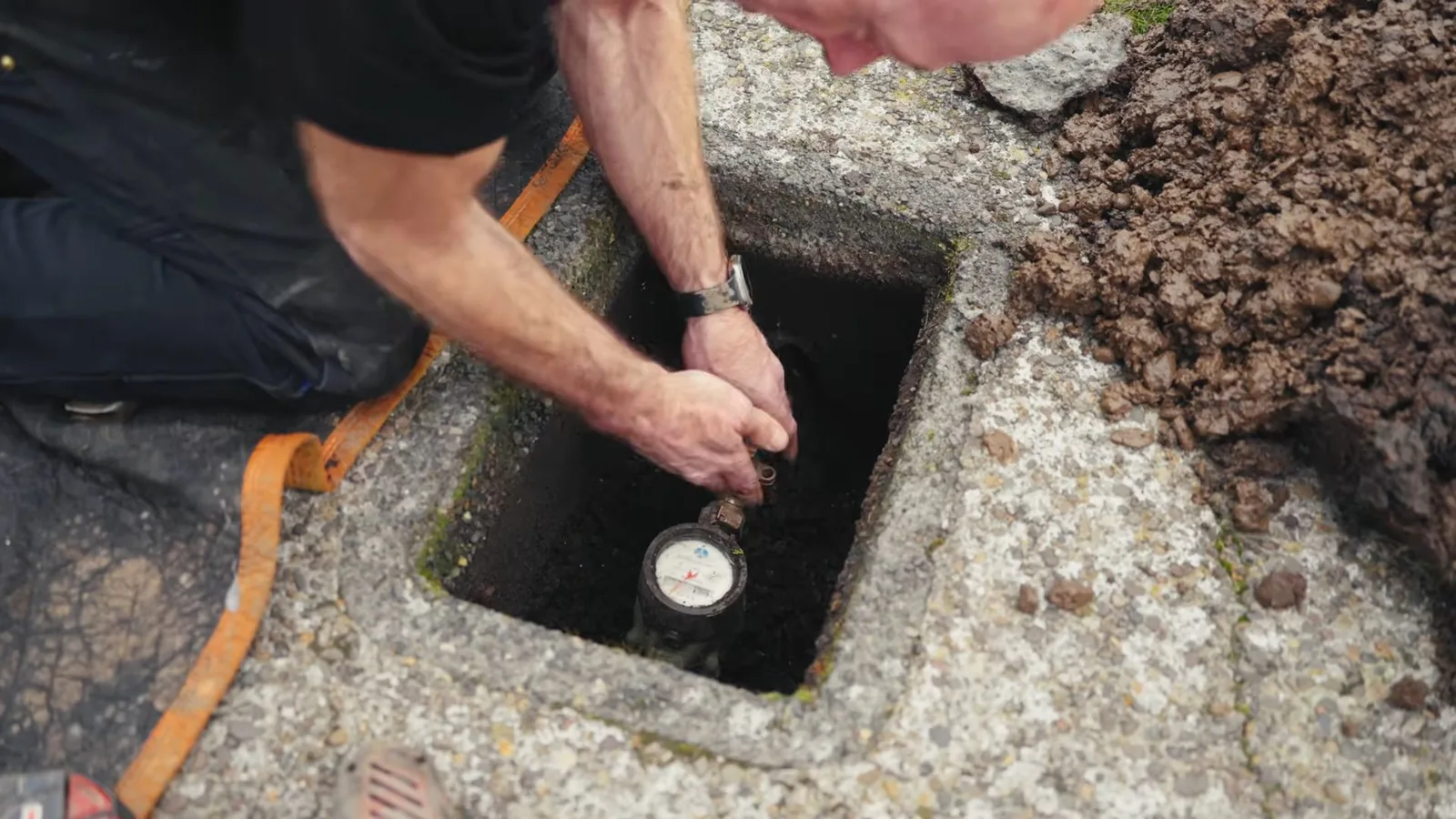
The meter is where one owner stops and the next begins. The pipe up to the meter and the meter itself belong to the water utility. The pipe running from the meter to your house is yours, and so is everything inside the house. A leak on the utility side is reported to the utility. A leak on your side is a plumber's job.
| Part | Owner | Who to call |
|---|---|---|
| Main in the street | Water utility | The utility |
| Meter and meter box | Water utility | The utility |
| Shutoff valve at the meter | Utility, though a homeowner valve may be beside it | The utility if it will not turn |
| Service line from meter to house | Property owner | A plumber |
| Pressure regulator, if there is one | Property owner | A plumber |
| Plumbing inside the house | Property owner | A plumber |
Two water systems serve Artesia
Golden State Water serves much of the city through its Artesia System. The City of Norwalk owns a separate system that serves a smaller area inside Artesia, roughly 870 to 890 connections, and its sale to Golden State still awaits the state utilities commission. The boundary between the two systems was not published in the documents we found, so the safest check is your water bill.
Repair or Replace a Buried Water Line?
A leak in a buried line shows as a wet patch that does not dry, a soft spot in the lawn, a driveway that is stained or heaves, or a bill that keeps climbing. Before anyone digs, the leak is located, which the leak detection Artesia page describes. Then the choice is between repairing the damaged section and replacing the line.
A repair fits a single break in sound pipe: the plumber digs to the leak, cuts out the section and connects new pipe. Replacement fits pipe that has failed in more than one place, pipe that is the wrong size, or a line the plumber cannot trust. Ask for the pipe material, the length that will be replaced, the route, and what happens to the lawn, driveway or slab along it. Ask whether the new line will be tested before it is buried.
Tell the dispatcher where it is relative to the meter. It shapes the first visit.
Lead and Old Service Lines: What Golden State Says and What It Does Not Cover
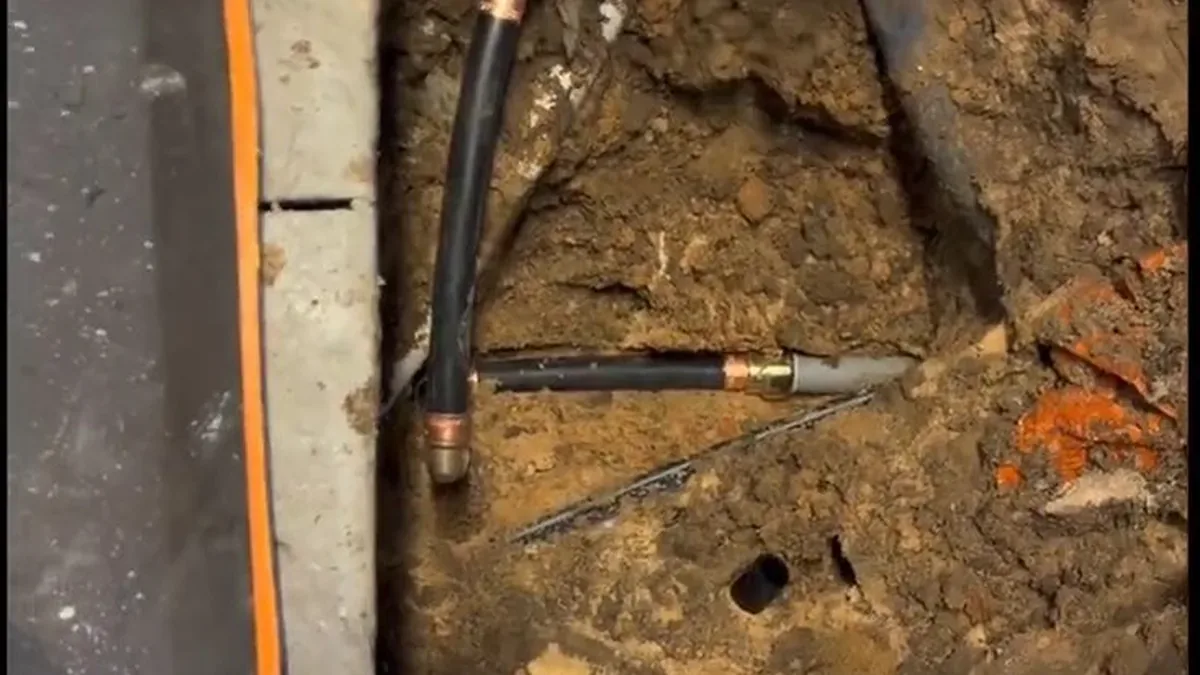
Golden State reports that its inventory of service lines in the Artesia System, those owned by customers included, turned up no lead and no galvanized steel, and it puts lead in home plumbing mostly on the homeowner. That is the company's statement about its own system, and it covers the run from street to house. It says nothing about a home on the City of Norwalk's system, and nothing about pipes inside the house.
So the question for a water line replacement is not whether the line is lead, but what it is. Ask the plumber to identify the line's material where it enters the house, and to say what it connects to. If the answer is unclear, ask for it in writing before agreeing to replace.
Replacement Options: Open Trench, Trenchless and Rerouting
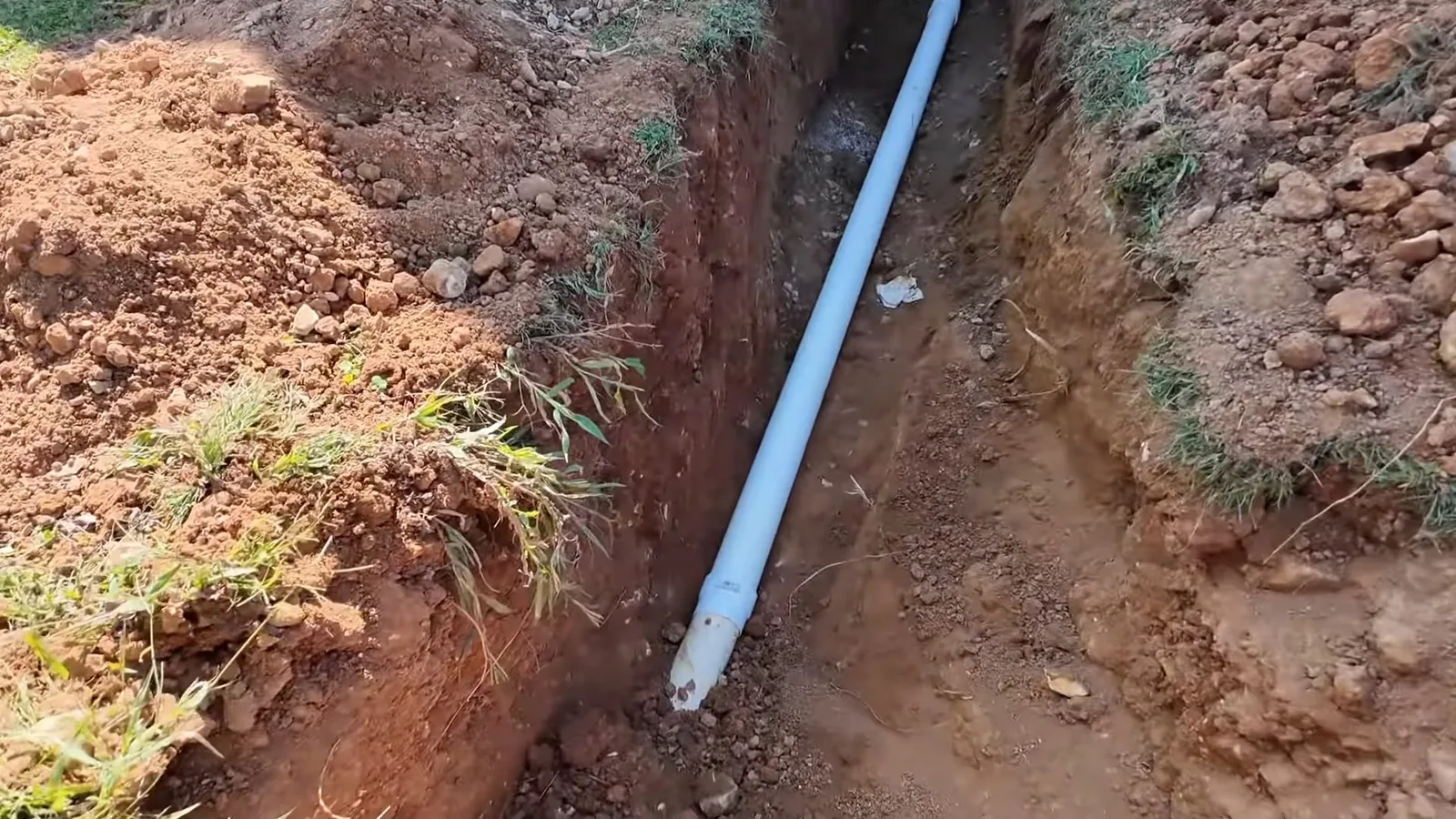
Open trench is the familiar method: dig along the old line, lay a new one, backfill and restore the surface. It is direct, but it disturbs lawn, planting and sometimes a driveway or walkway. Trenchless methods, such as pulling a new pipe through the old path, disturb less where the soil and the old line allow them. Sometimes a better answer is a reroute, a new line on a different path that avoids what is above the old one.
Ask which method fits your line and why, how deep and how far the work runs, and what will be restored afterward. Ask what the new pipe is made of, whether it is tested under pressure before it is covered, and who inspects the connection at the meter. The connection at the meter is the utility's property, so the plumber may need the utility to shut off the supply or to inspect the work.
Signs of a Buried Leak
- Ground that stays wet or soft with no rain or sprinkler use
- Water at the curb, around the meter box or along the foundation
- A meter that keeps turning with every tap off
- Sudden loss of pressure in every tap
- A bill that keeps climbing without any change in use
- A sound of running water near the meter at night
The service or yard line is out of sight, so its leaks announce themselves indirectly. Water finds the easiest path, which is often along the pipe trench, so the wet spot can sit several feet from the break. Ask the plumber to locate the leak with the meter test and listening equipment before digging, and to mark the spot so the opening is as small as possible. A leak that has been running for weeks may have undermined the soil around the pipe, which is worth mentioning when the line is exposed.
Low Pressure, High Pressure and the Regulator
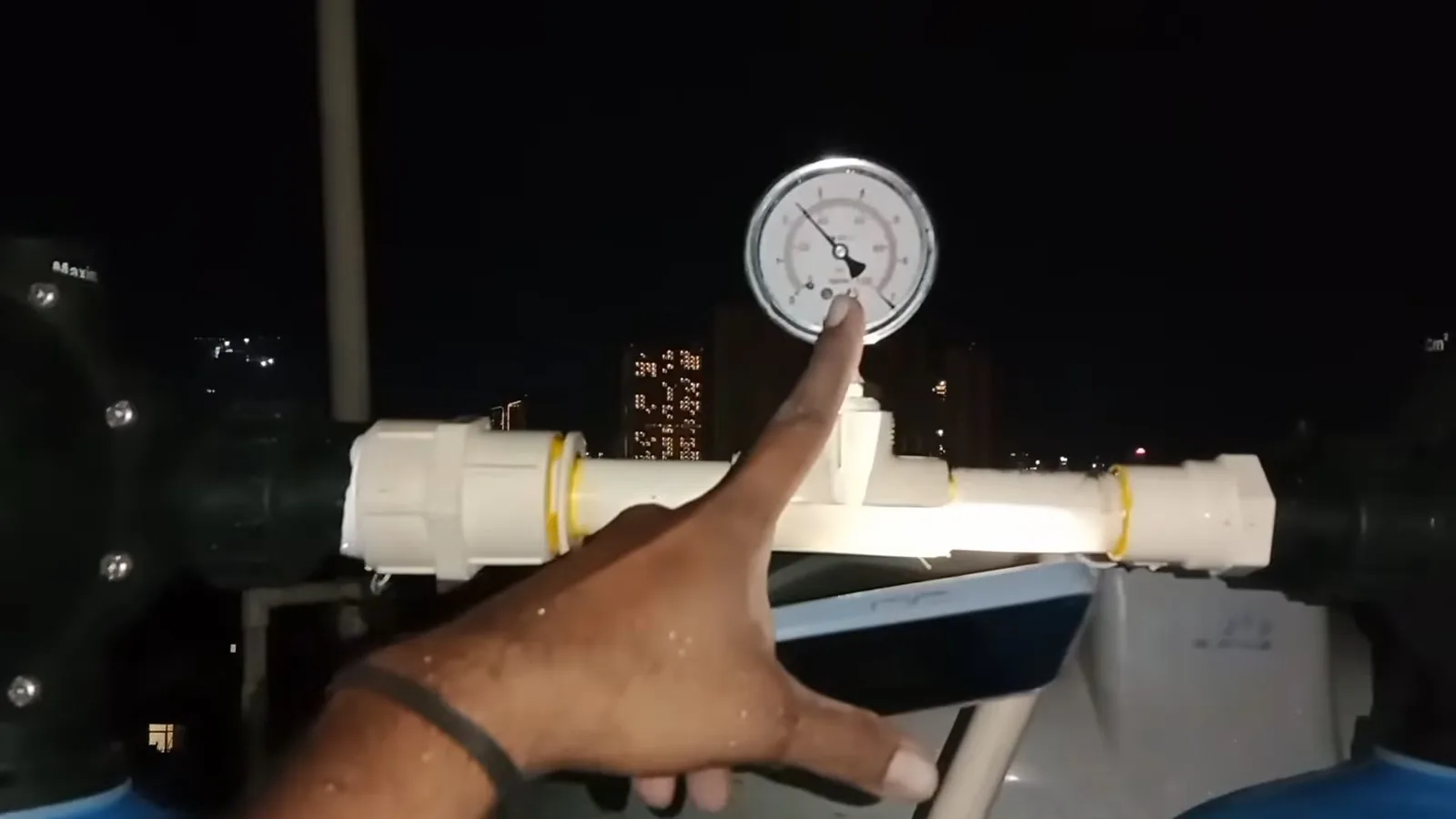
Low pressure can come from a leak, a partly closed valve, a failing regulator or a clogged line. High pressure can come from a regulator that has failed open, and it wears out fixtures and valves. A pressure regulator sits near where the line enters the house, and it can be replaced. Ask the plumber to test pressure at an outdoor tap before and after any work, and to tell you the number. A shutoff valve that will not close should be replaced before it is needed in an emergency.
Before Anyone Digs: 811, Permits and the Meter
Digging for a service line triggers the call to 811, which routes to DigAlert for Los Angeles and Orange counties. Notice is required two working days ahead and no more than fourteen days. Ask the plumber for the ticket number. The City of Artesia's plumbing permit form lists other water piping and replacement branch piping, so find out who pulls the permit, and the Building and Safety counter at (562) 865-6262 can say what a service line replacement needs.
Also handled: high water pressure, the main water line, a pressure regulator, the water meter, a shutoff valve and pressure testing of lines.
Water Line Questions, Answered
Who is responsible for a leak in a buried water line?
The owner of the pipe: the utility for the main and meter, you for the line from the meter to the house. If the leak is on the utility side, report it to the utility. Otherwise a plumber locates and repairs it.
Can a leak be found under concrete without breaking it?
Often. Listening equipment and pressure tests narrow the spot, and the plumber opens as little as possible. If the line is under a slab, the choice may be a spot repair, a reroute or a repipe.
When does a water main need replacement?
When the pipe has failed in several places, when its material is no longer sound, or when the size cannot supply the house. A single break in good pipe is a repair. Ask for the pipe's condition and the length to be replaced.
Wet Ground or Weak Pressure? Call the Dispatch Line
Describe where the water shows and what the meter does, and the dispatcher takes it from there.
Call (562) 271-1710