
Home>Services>Water damage restoration
Flooded Floor or Soaked Ceiling? Emergency Water Damage Restoration in Artesia, CA
After a leak or flood, call the water damage line and describe what got wet and where the water came from. The dispatcher arranges for a technician from our network, and the first questions are about the source: has the water been stopped, and is any of it sewage?
What Happens on a Water Damage Job: The First Hour and What Follows
- Stop the source. Close the shutoff valve for a plumbing leak, or call a plumber if the water keeps coming.
- Stay out of rooms where water has reached outlets, switches or the electrical panel.
- Photograph the damage before anything is moved, and list what is wet.
- Call the water damage line and say what is wet, how long, and whether the water is clean, gray or sewage.
- The technician checks moisture in walls, floors and ceilings with a meter, and sets the plan: remove standing water, remove what cannot be saved, dry the rest.
The order matters. Extraction comes first, because standing water spreads. Removal of unsalvageable material comes next, such as soaked padding or drywall. Drying follows, with air movers and dehumidifiers running until moisture readings come back to normal. Cleaning and an odor check finish the job. Water mitigation is the name for the first stage, stopping further damage, and residential water restoration is the whole sequence. Water damage mitigation coordination between the plumber, the technician and your insurer keeps the order straight. Rebuilding, such as new drywall, paint or flooring, is a separate trade and is not part of this work.
| Included: removal and drying | Included: mold | Not included |
|---|---|---|
| Water extraction after a leak, overflow or flood | Mold testing and inspection to find out what is there | Rebuilding, reconstruction, new drywall, paint or flooring |
| Removal of soaked carpet, padding and drywall that cannot be dried | Mold removal where it has grown on wet materials | Fire damage restoration |
| Drying with air movers and dehumidifiers, with moisture readings | Cleaning and odor treatment after water damage | Roof, exterior drainage or foundation repair, which are other trades |
Close the shutoff if you can, then call the water damage line.
Water Extraction and Removal After a Bath Overflow, Leak or Collapsed Ceiling
Extraction pulls standing water out with pumps and wet vacuums. For a bathroom overflow or a slow leak the water may be soaked into carpet and pad, and extraction is followed by lifting the carpet so the floor can dry. A collapsed or sagging ceiling is a safety question first: do not stand under a bulging ceiling, and let the technician decide whether to open it to let the water out. Ask what will be removed and what will be kept. Ask, too, whether the technician has checked the room below and the wall cavities beside the wet area, because water moves along framing and pipes and leaves wet material where nobody is looking. Get the extraction finished before drying begins, and ask for the moisture readings from before and after.
Burst Pipe and Plumbing Leak Damage: Stop the Source First
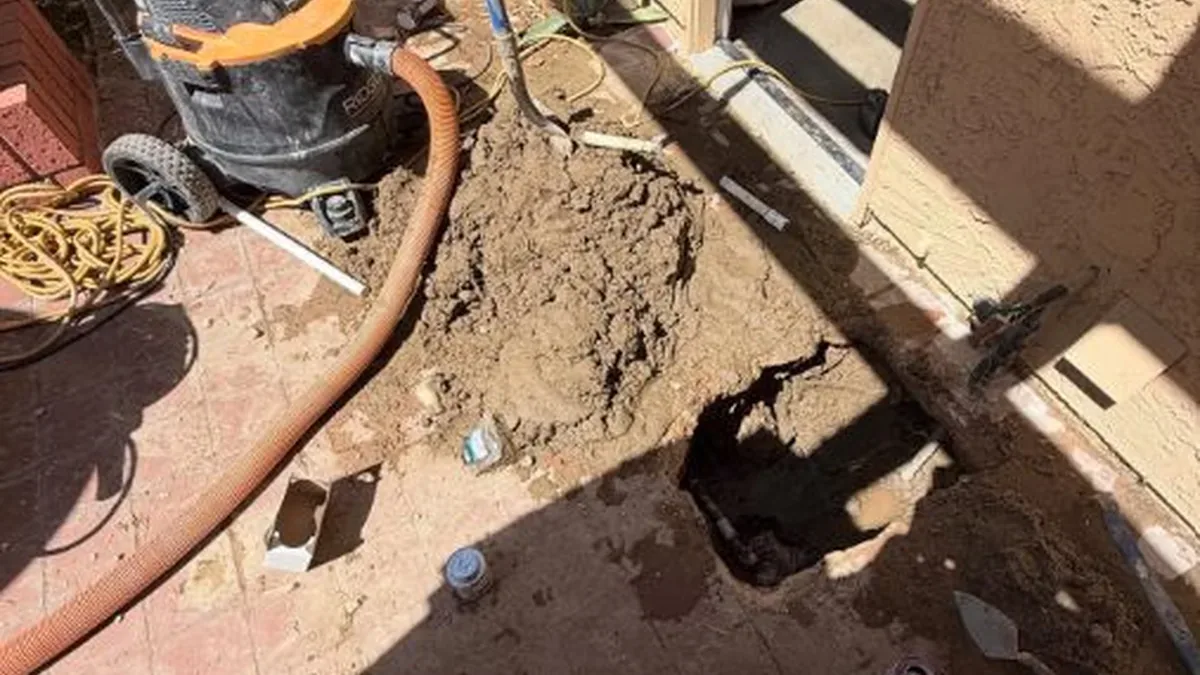
Drying a room while the pipe is still leaking only repeats the work. If the water came from a supply line, the plumber finds and fixes it first. How a hidden leak is located is described under finding the source of the leak, and the pipe repair Artesia page covers repairs after a burst. A leak from a failed water heater is on the water heater repair page, a break in the line from the street is on the water line repair Artesia page, and water rising through the floor may be a slab leak detection Artesia case. Photograph the source before it is repaired, because an insurer may ask. After the repair, ask the plumber to confirm in writing what failed and what was replaced, since that note belongs with your photos. If the pipe that burst is part of a line that has failed before, mention it, because the repair choice may be a section or the whole line.
Drying Equipment: Air Movers and Dehumidifiers
Air movers push dry air across wet surfaces. Dehumidifiers pull moisture out of the air so the surfaces keep giving it up. Together they dry a room faster than open windows can, especially in humid weather. How long they run depends on the materials and the readings, not on a fixed schedule, so ask the technician for the moisture readings at the start and at the end. Equipment is placed where the water went, not only where it shows. The loud hum is normal; a bill for equipment left running after the readings are normal is worth questioning.
Flooring and Carpet Damage
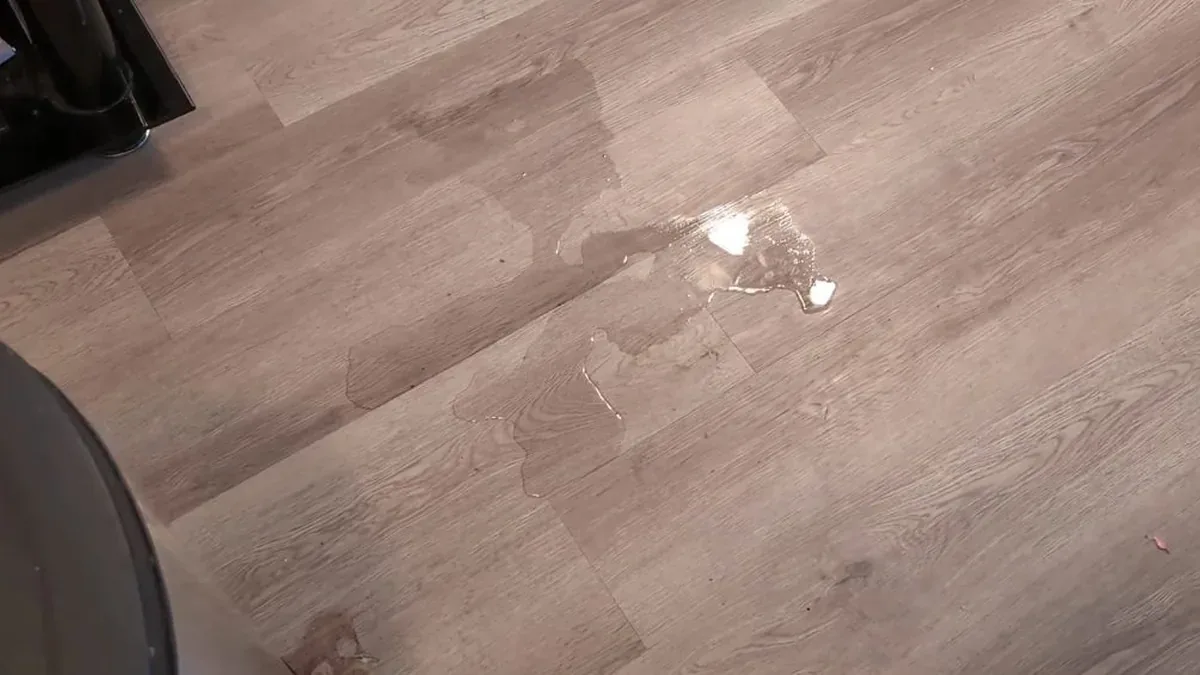
Carpet and pad that have been soaked by clean water can sometimes be dried in place if the water is caught quickly. Pad is usually replaced. Hardwood can cup or buckle when it stays wet, and a leak from a washer valve or an air conditioner condensate line is a common cause. Laminate and vinyl swell at the seams. The technician decides what can be dried and what has to be removed. Ask for the call in writing, and keep samples of what was removed if an insurer wants to see them.
Sewage Backup Cleanup
Sewage is not clean water. It carries bacteria and is treated as contaminated, so soaked porous materials such as carpet, pad and drywall are removed rather than dried. The plumbing side comes first: the sewer backup repair page explains the lateral and the County main, and the drain backups page covers a single branch. Under the City's agreement, County Public Works maintains Artesia's sewer pipes, and street backups go to it at (800) 675-4357. The owner maintains the lateral from the house to the main, according to a County report from 2011 and an undated newsletter.
SafetyStay out of water that may be sewage, keep children and pets away, and do not run fans through the room. Cut power to the area only from a dry spot: if reaching the panel means wading, stay out and call.
Flooded Home, Crawl Space and Whole-House Flooding
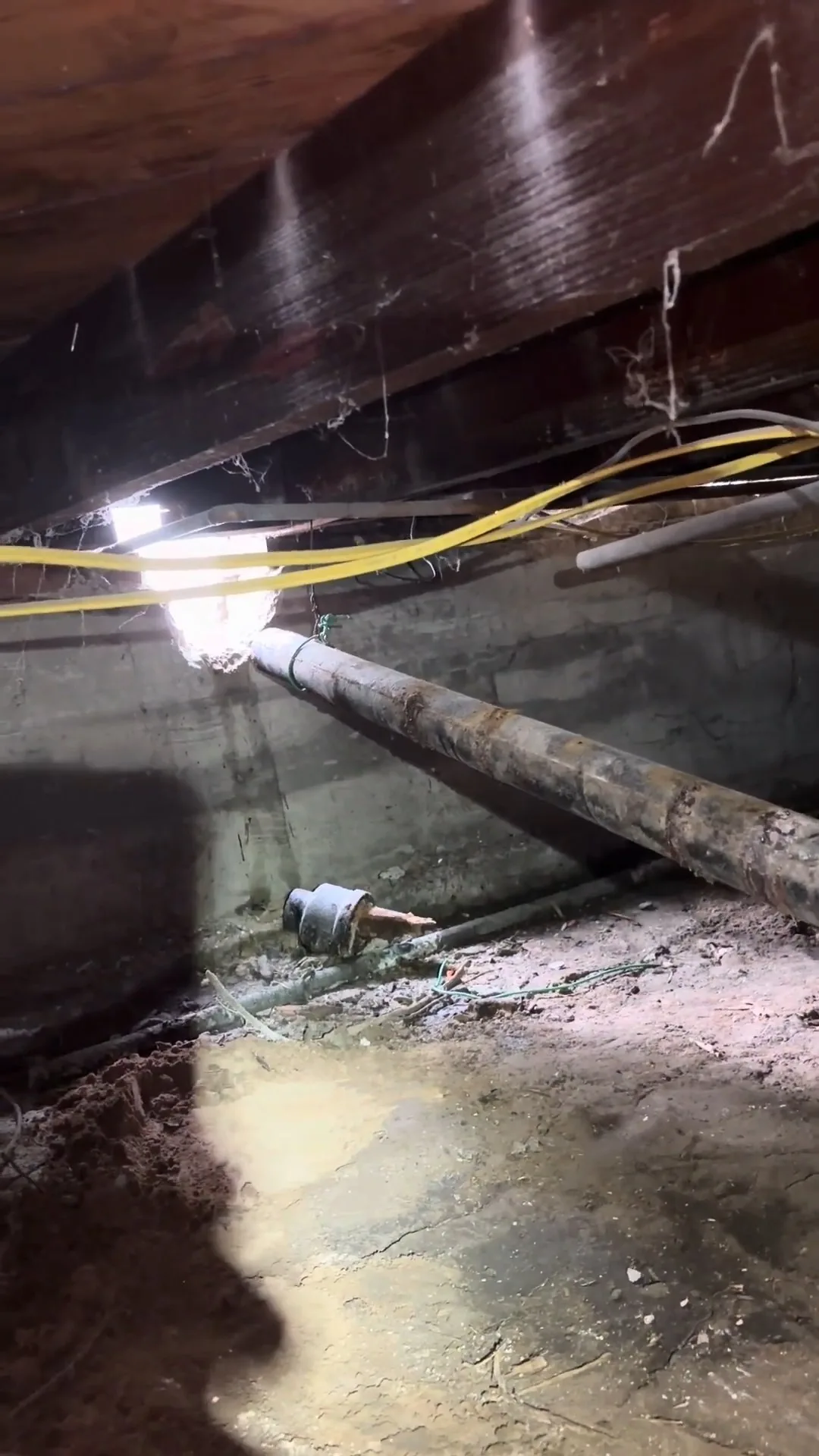
Plumbing causes come first: a main break, a failed hose, a sewer backup. Where the house has a crawl space or a basement, water can sit out of sight and soak insulation and framing, so ask for the space to be checked. The City's 1999 liquefaction mapping covers all of Artesia, on younger sandy and silty soils. That is a reason to ask for a pressure test after a broken line, not a statement that your house has moved. Storm and rain flooding follows the same extraction and drying steps, though exterior drainage and basement waterproofing belong to other trades. Ask the technician to check wall cavities, insulation and the floor structure, since water in a flooded house travels well beyond the room where you see it.
Mold Testing, Inspection and Assessment: Do You Need a Test?
Mold grows where materials stay wet, and it can start within days. Visible growth, a musty smell after a leak and persistent dampness are the usual reasons for an inspection. The state has not set a safe level of mold, so a test result does not give a pass or fail. It tells you what kind of mold is present and where, which helps decide what to remove.
California sets no safe exposure level for mold
The California Department of Public Health states that, to date, no federal or state policies set safe exposure limits or quantify the health risks from dampness and mold in buildings.
Ask the inspector what will be tested and why, where samples will be taken, who tests them and how you will receive the results. Ask whether testing and removal are done by the same company. Some homeowners prefer an independent assessment first. We make no statement about what a result means for anyone's health.
Mold Remediation and Removal: What Happens on the Job
Remediation is removal. The area is contained with plastic and negative air, the affected materials are cut out and bagged, surfaces are cleaned and the area is dried. The moisture source has to be fixed first, or the mold returns. We found no California license category for mold work alone, so check the contractor's license number on the state contractor board's website and ask for a written scope. Ask what will be removed, how it will be contained, how it will be cleaned and what happens if growth reappears. No company can promise that mold will not return if the area becomes wet again. Ask how the work area is separated from the rest of the house, what is done with removed material, and how the area is checked afterward. Mold on an older home's materials may call for caution about what else is in them, so ask whether anything needs testing before it is disturbed.
Odors After Water Damage
A musty smell after a leak usually means materials are still damp or mold has started. A sewage smell means a backup or a dried trap. Cleaning and drying remove most odors. If a smell lingers, the technician looks for wet materials hidden in walls, under flooring or in insulation. Fire and smoke damage is not part of this work, and a smoke smell from a fire needs a different kind of company. Sewage odors that return after cleaning point to a trap that has dried out or a vent problem, which a plumber checks, and the clogged drain Artesia page covers the drain side. Odor counters that only mask the smell are not a fix; the moisture or the source has to be dealt with.
Damage Assessment and Major Loss Inspection
A large loss, such as water that ran for days in a vacant house, needs an assessment before work: the extent of the water, which materials are affected and what the moisture readings show. Ask for the assessment in writing with photos, a floor plan sketch marking the wet areas and the moisture readings room by room. An assessment of a vacant house also needs the date the water was found and the date the water was stopped, since the length of exposure shapes what can be dried and what has to be removed. Insurance claims assistance, meaning the paperwork and a claim decision, is between you and your insurer. Records that help a claim include dated photos, moisture readings and a list of what was removed. We cannot say what any policy covers.
Roof, Ceiling, Air Conditioner and Irrigation Leaks
Not every wet ceiling is a plumbing problem. A stain that grows after rain points to the roof. A drip below an air conditioner is a condensate line. A wet exterior wall can be a sprinkler hitting the house. The plumber and the technician can dry and remove what is wet, but the source belongs to a roofer, an HVAC technician or an irrigation contractor. Condo, apartment and commercial properties follow the same steps; for a business, see commercial plumbing Artesia. Night and weekend calls are possible too, and the homepage lists the plumbing steps under emergency plumber Artesia.
Also handled: basement waterproofing and foundation inspection, which are exterior drainage and foundation trades; the plumbing-related inspection step is covered above.
Water Damage Questions Homeowners Ask
How long does drying take?
It depends on the materials, how long they were wet and the weather. The technician decides by moisture readings, not by a calendar. Ask for the readings at the start and the end.
Can I stay in the house during drying?
Often yes for clean-water leaks in part of a house, but loud equipment and wet rooms are disruptive. For sewage or mold, ask the technician whether to leave the affected rooms or the house.
Do I need a mold test after a leak?
Not always. Visible growth, a lasting musty smell or damp that will not dry are reasons to test. Ask what the test will tell you before paying for it, since the state sets no safe level.
What should I document for my insurer?
Dated photos before anything is moved, the source of the water, the technician's moisture readings, a list of items removed and the invoice. Check with your insurer about its requirements before work begins.
Flood or Leak Damage? Call the Water Damage Line
Say what is wet and where the water came from. A technician from our network is arranged to dry and clean it.
Call (888) 681-3447