
Smell Gas? Leave First. Then Emergency Gas Line Repair in Artesia, CA
Gas line work covers three situations: a smell of gas, a worn or damaged pipe or connector, and a new appliance that needs a line. For a smell of gas, get out of the house first and phone your gas utility or 911 from the street. For the other two, phone the dispatch line and a network plumber will be lined up.
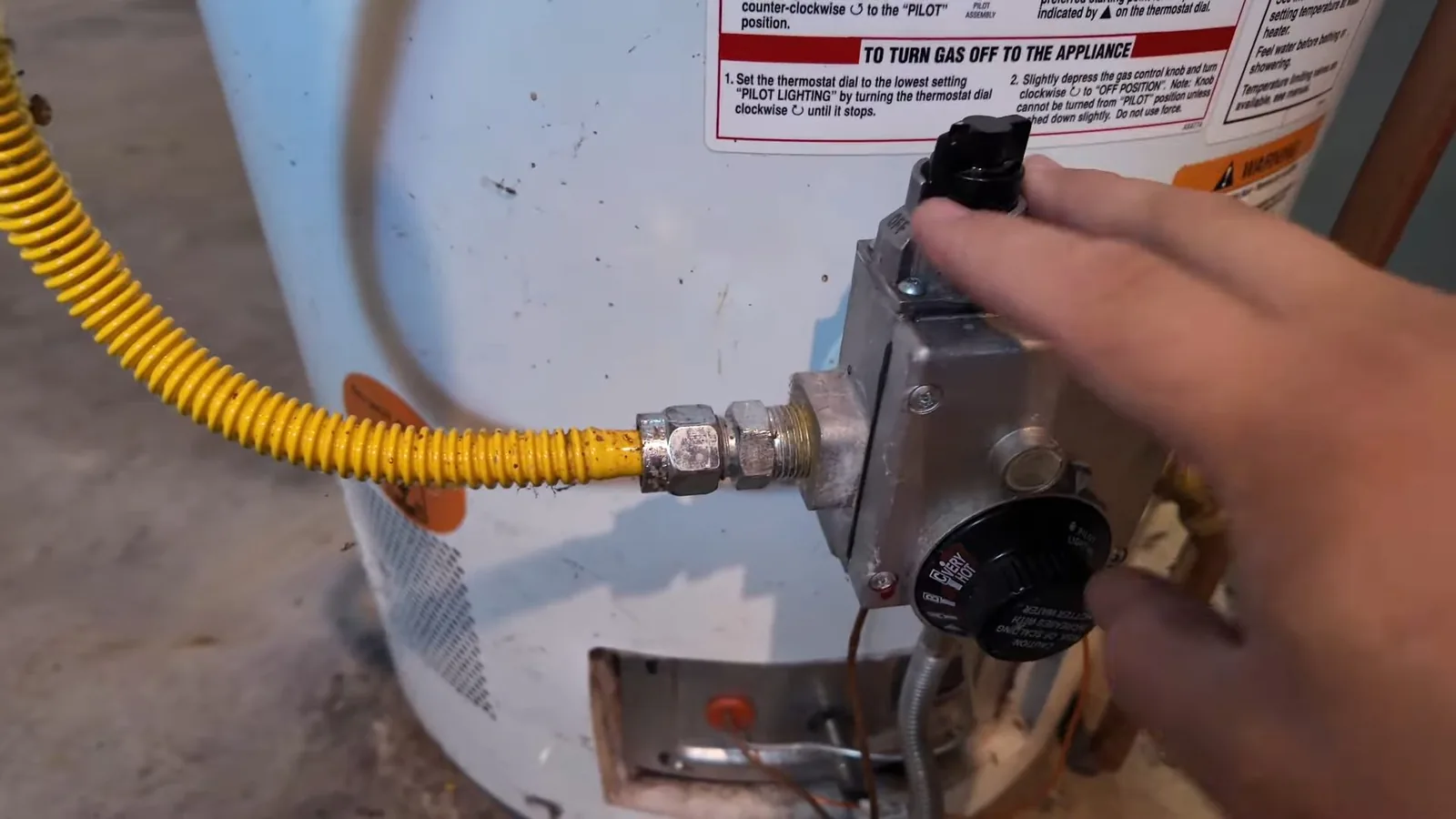
If you smell gasLeave the building now. Do not flip switches, light flames or use a phone inside. Once you are outside, phone the gas company or 911 and wait for word that it is safe. A plumber's work on the piping begins after the utility has made things safe.
Gas Leak: What to Do, Step by Step
- Leave the house and take everyone with you, including pets.
- Do not touch light switches, appliances, garage door openers or anything that could spark.
- From outside, phone the gas utility's emergency line or 911.
- Stay away until the utility says it is safe to go back in.
- Call the dispatch line to arrange the repair once the utility has made the area safe.
A faint smell near one appliance may be a pilot problem. A strong smell, a hissing sound or a dead patch of grass over a buried line is a leak until proven otherwise. None of these is a do-it-yourself job. Gas utilities respond to a gas smell as an emergency, and the plumber works on piping inside the house once the gas is shut off.
Gas Line Repair in Artesia: What Gets Fixed and What Gets Tested
A gas line repair has a short list of common causes: a corroded or damaged pipe, a worn flexible connector behind an appliance, a loose fitting, or a joint that has loosened with age. The plumber isolates the line, repairs or replaces the damaged section, and tests it before the gas is turned back on. The test, a pressure test, holds air or gas at a set pressure and watches a gauge for a drop. Ask to see the gauge reading.
Pipe replacement is the larger question. Black iron is steel pipe, common in houses, and it can corrode where it is damp or buried. Corrugated stainless steel tubing, or CSST, is a flexible line that is quick to install and has its own bonding requirement, so ask whether bonding applies. Flexible appliance connectors wear out and are replaced when the appliance is moved or when the connector is cracked or kinked.
Tell the dispatcher what is leaking or worn and whether the gas is off.
Gas Line Installation: Range, Dryer, Fireplace, Grill and Generator Hookups
A new hookup starts with a question: can the existing gas line take another appliance? Each appliance draws gas at a different rate, and the pipe has to be large enough for all of them at once. The plumber adds up the load and checks the line's size and the meter's capacity.
| Appliance | What the install involves | What to ask |
|---|---|---|
| Range or cooktop | A shutoff valve and a flexible connector, sometimes a new branch | Is the line size enough, and is there a shutoff within reach? |
| Dryer | A branch, a shutoff and a connector, plus venting | Where will it vent, and is the line size enough? |
| Fireplace or fire pit | A longer run, sometimes outdoors, with a shutoff | Is the pipe approved for the route, and who inspects it? |
| Grill | A line from the house, usually with a quick-connect and a shutoff | Where will the line run, and how is it protected? |
| Generator | A larger line and a permit | Does the line size support the generator's load? |
Propane systems are separate from natural gas, with different pressures and fittings, and the plumber needs to know which one you have before the visit. A gas water heater, whether new or replaced, depends on the same line, and the water heater installation Artesia page explains the heater side of that work.
Inspection and Pressure Testing: Proving the Line Is Tight
A repair is not finished when the pipe is back together. The plumber should test the line before the gas is restored: a pressure test holds the line at a set pressure and watches the gauge, and a soap solution or an electronic detector at each joint shows a bubble or a reading where gas is escaping. Appliance connectors and shutoff valves are checked at the same time, and each appliance is lit and watched.
Ask what pressure the line was tested at, for how long and what the gauge read before and after. Ask whether the old connectors were replaced or reused. If the gas was off for the work, ask who relights the pilots and checks each appliance.
Questions to Ask Before Gas Work Starts
- What is the scope: which pipe, which appliances, how much of the line is replaced?
- What is the pipe or tubing material, and does bonding apply?
- Is there a shutoff valve at each appliance, and will I be shown where the main is?
- How will the line be tested, and may I see the result?
- Does the job need a permit, who pulls it and when is it inspected?
- What are the venting and clearance needs for the appliance?
- Is the work covered by the plumber's own terms afterward?
Permits and Inspection for Gas Piping
Artesia's plumbing permit submittal form lists low-pressure gas systems among its permit items. The form lists items for a permit and fees; it does not state the rules. Phone Building and Safety, (562) 865-6262, for the City's answer on a new line or a repair, then ask who pulls the permit and request the pressure test result and the inspection record.
The dispatch line answers at any hour for a gas line repair, and the steps for urgent and after-hours calls are on the homepage under emergency plumbing. Anything that smells like gas still starts with leaving the house.
Also handled: emergency and same-day gas line calls, propane lines, inspection and pressure testing, and appliance hookups.
Gas Line Questions, Answered
Who can install a gas line for a new stove or range?
A licensed plumber, with a permit where the City requires one. Check the plumber's license on the state contractor board's website, and confirm that a pressure test, the permit and the inspection are part of the scope of work.
What should I do if I think I have a gas leak?
Get everyone out, stay clear of switches and flames, and phone the gas company or 911 once you are outside. Do not try to find the leak yourself. After the utility makes the area safe, a plumber can find and fix the source.
What do I do if I smell gas near my appliances?
Get out first, then phone from outside. If the smell is faint and near one appliance, it may be a pilot problem, but treat it as a leak until the utility says otherwise.
Gas Line Repair or a New Hookup? Call the Dispatch Line
If you smell gas, get out first and phone your gas utility. Then call the dispatcher about the repair.
Call (562) 271-1710